20 October 2026
Can Basement Waterproofing Increase Home Value?
Presented by @keeganszgh854
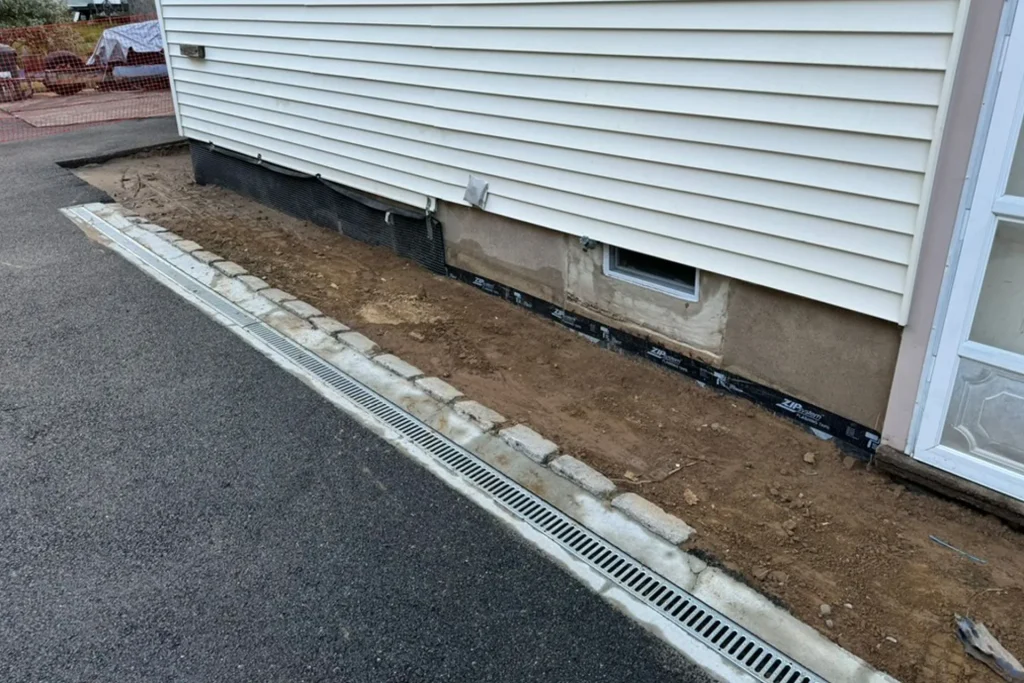
Homeowners usually start thinking about the basement when something has already gone wrong. There is a damp smell after heavy rain. A cardboard box stored against the wall turns soft at the corners. Paint bubbles. A small rust-colored line appears where the slab meets the wall. At that point, the question is no longer abstract. It becomes practical and expensive.
The more interesting question comes later, especially for anyone thinking about resale: can Basement Waterproofing actually increase home value?
The short answer is yes, but not always in the simple, dollar-for-dollar way people hope. In many cases, waterproofing does not function like a luxury upgrade. It works more like a protective investment that preserves value, improves marketability, and prevents buyers from discounting the home. In the right house, in the right market, and with the right documentation, it can also create direct value by making basement space more usable and reducing the perceived risk of ownership.
That distinction matters. A new kitchen often attracts attention because buyers can see it immediately. Basement Waterproofing creates value because it removes doubt. And in residential real estate, doubt is expensive.
Why buyers care more than sellers expect
Most sellers are used to looking at their home through the lens of familiarity. They know which corner gets a little damp in spring. They know the sump pump has always handled it. They know that the smell in the basement “goes away after a day or two.”
Buyers do not have that context. They walk into a basement and make fast judgments. If they see staining, efflorescence, peeling paint, warped trim, or a dehumidifier running full blast, they start to imagine hidden problems. They wonder whether mold is behind the drywall, whether the foundation is under stress, whether insurance claims have been filed, and whether a finished basement will ever stay dry.
That fear changes the negotiation. A house with visible moisture issues often gets fewer strong offers, longer days on market, and more aggressive inspection demands. Even if the structure is fundamentally sound, water signs in a basement can trigger the same emotional response as roof leaks or electrical defects. Buyers start budgeting for the worst.
A properly waterproofed basement changes that tone. It tells a different story. Instead of “this house may have a problem,” the buyer sees “the owner identified a risk and addressed it professionally.” That is valuable, especially in regions where basements are common and seasonal groundwater is a known issue.
Value comes in two forms, preserved value and added value
When https://charliebqzd281.quillnesty.com/posts/questions-to-ask-before-hiring-a-basement-waterproofing-company people ask whether waterproofing increases home value, they often mean one thing: will I spend X and sell for X plus profit?
Real estate does not always work that neatly. Basement Waterproofing usually creates value in two different ways.
The first is preserved value. This is the most common and often the most important. If a house has basement water problems, its market value may already be under pressure. Fixing those issues helps the home compete at its proper price level instead of being discounted. In that sense, waterproofing may not feel like “adding” value, but it can stop value from slipping.
The second is added value. This happens when waterproofing makes basement space reliably usable. A dry basement can support storage, laundry, workshop use, exercise equipment, home office space, or a legally finished lower level where local codes allow. Buyers pay more for space they trust. They do not pay top dollar for square footage they consider risky.
I have seen this difference play out repeatedly in older housing stock. A 1920s or 1950s home with an unfinished but bone-dry basement often sells more confidently than a comparable home with a partially finished basement that smells damp. Buyers will forgive plain concrete floors. They rarely forgive moisture uncertainty.
What kind of waterproofing actually matters
Not all basement water solutions carry the same weight with appraisers, inspectors, or buyers. A can of waterproof paint and a portable dehumidifier do not inspire much confidence. They may help with symptoms, but they rarely address the source.
True Basement Waterproofing usually falls into a few categories, and the strongest value impact comes when the method matches the problem. Surface seepage from poor grading is a different issue from hydrostatic pressure under the slab. Gutters dumping water beside the foundation require a different fix than wall cracks caused by settlement.
Buyers and their agents tend to respond best when they can see that the work was comprehensive rather than cosmetic. Exterior drainage improvements, properly extended downspouts, interior drain tile systems, sump pump installation with battery backup, crack injection where appropriate, vapor barriers, and professional moisture management all carry more credibility than simple patch jobs.
That does not mean every house needs a major perimeter excavation. Sometimes the basement issue is mostly about water management outside the house. I have seen wet basements dry out dramatically after correcting grade slope, adding gutter capacity, and extending discharge points well away from the foundation. On the other hand, I have also seen homeowners spend money on interior finishes before solving hydrostatic intrusion, only to tear everything back out within two years.
The value lies in solving the actual problem, not in buying the most elaborate system.
Geography changes the answer
A dry basement means one thing in Arizona and another in western Pennsylvania, southern Ontario, Minnesota, or parts of New England. Local climate, soil, water table, and housing age all shape how much value Basement Waterproofing adds.
In areas with frequent rainfall, snowmelt, clay-heavy soils, or older foundations, waterproofing often has a stronger resale impact because buyers already understand the risk. If everyone in the area knows basements can be damp, a documented waterproofing system becomes a genuine selling point.
In drier regions or places where slab-on-grade homes are more common, waterproofing may have less direct effect on resale because the issue is less central to buyer expectations. It can still matter, especially if the home has a basement and local drainage is poor, but it may not command the same premium.
Neighborhood tier matters too. In an entry-level market, buyers may focus intensely on avoiding future repair costs. In a higher-end market, expectations can be stricter. A luxury buyer may tolerate almost nothing that hints at moisture risk. The same repair can therefore protect value differently depending on who is shopping for the home.
Appraisers do not always count it the way homeowners hope
This is where expectation and reality often diverge. A homeowner spends $12,000 on an interior drain system, sump pump, and crack repair, then assumes the home is now worth $12,000 more. An appraiser may not treat it that way.
Appraisers look at market evidence. If recently sold comparable homes show no measurable premium for waterproofed basements, the adjustment may be limited. The work may still help the home sell faster or avoid price reductions, but the appraisal line item may not reflect the full emotional and practical value to buyers.
That can be frustrating, but it does not make the investment unsound. Some of the best home investments are defensive. Replacing a failing sewer line, repairing structural framing, or correcting dangerous electrical work may not produce glamorous valuation jumps either. Yet leaving those issues unresolved almost certainly harms value.
Waterproofing belongs in that category more often than not. It improves the house’s condition, reduces objection risk, and supports market confidence. Those benefits are real, even when they do not appear as a tidy one-to-one return.
Finished basements raise the stakes
Waterproofing becomes even more valuable when the basement is finished or intended to be finished. Carpet, drywall, insulation, trim, built-ins, and furniture are all vulnerable to moisture. Once a basement becomes living space, even minor water intrusion becomes a larger financial problem.
A finished basement with a history of leaks can turn into a deal killer. Buyers know they may be inheriting hidden mold, damaged framing, or recurring repair costs. They may question permit history, code compliance, or whether previous work covered up an issue rather than solved it.
By contrast, a basement that was waterproofed first and finished second carries a different weight. It shows planning and discipline. If the owner can provide receipts, contractor details, transferable warranties if available, and dates of work, the finished lower level feels far more defensible.
This is especially important when basement square footage influences how buyers compare one property to another. A dry, comfortable lower level can expand the functional footprint of the home. A damp one can become negative square footage in the buyer’s mind, even if the tax record counts it.
The hidden costs waterproofing helps avoid
Sometimes the clearest measure of value is the damage you never have to repair. Water in a basement is rarely a one-time event. It tends to create a chain of consequences, some obvious, some subtle.
Here are the most common losses that Basement Waterproofing helps prevent:
- Mold remediation and material replacement after repeated dampness or flooding.
- Damage to flooring, drywall, insulation, and personal property.
- HVAC strain from high humidity and poor air quality throughout the house.
- Lower buyer confidence during resale, often leading to price concessions.
- Insurance complications, especially when maintenance-related water issues are involved.
Those costs add up quickly. A homeowner may spend several thousand dollars replacing finishes after just one significant seepage event. Repeat episodes can push the total far beyond the original cost of proper waterproofing.
There is also the less visible cost of living with a damp basement. Persistent moisture can make the whole house feel less clean, even upstairs. It can worsen musty odors, aggravate allergy concerns, and limit how the space is used. Buyers notice that atmosphere immediately, even if they cannot identify the source.
What buyers and inspectors tend to notice first
When a home goes on the market, buyers do not need standing water to become wary. Small signs carry outsized influence. A dark line on a foundation wall, a freshly painted section that seems to hide prior staining, or a strong fragrance meant to cover mustiness can all raise suspicion.
Inspectors, naturally, are trained to look closer. They often note visible moisture evidence, grading problems, downspout discharge issues, sump pump operation, crack patterns, humidity conditions, and whether basement finishes restrict the ability to evaluate foundation walls. If concerns appear in the report, the buyer may seek additional specialist opinions or ask for credits.
A basement that has been professionally waterproofed tends to hold up better under this scrutiny, particularly when the owner can explain the sequence clearly. There was a problem, it was diagnosed, this method was installed, and here is how it has performed since. That narrative is far stronger than “we never really knew where the water came from.”
The quality of the installation matters
Not every waterproofing job boosts confidence. Poorly executed work can do the opposite.
I have seen interior systems installed without thoughtful discharge planning, resulting in pump water cycling back toward the house. I have seen exterior grading corrected on one side while roof runoff kept overwhelming another side. I have seen finished walls built over unresolved seepage, creating a polished appearance that fooled nobody by the time the home was listed.
Professional workmanship matters because water management is interconnected. Foundation walls, footing drains, gutters, grading, sump systems, window wells, and landscaping all influence the result. A competent contractor evaluates the house as a system.
Homeowners should also understand that the cheapest fix is not always the most economical. Spending less upfront on a partial or cosmetic solution can leave enough uncertainty that buyers still discount the home. On resale, documentation and credibility often matter almost as much as the work itself.
Documentation can turn repair work into a selling asset
A repaired problem is not always a stigma. A repaired problem with records can be a strength.
If you have invested in Basement Waterproofing, keep the paperwork. Save the proposal, invoice, warranty information, before-and-after photos, and any notes on maintenance or inspections. If you made exterior drainage changes, document those too. If there was a crack injection or sump installation, note the date and who performed the work.
This helps in two ways. First, it gives your real estate agent something concrete to present. Second, it reduces the fear buyers feel when they hear the word “water.” A vague story invites speculation. A documented repair invites verification.
The most reassuring file is one that shows not only what was done, but also how long it has worked. A system installed five or seven years ago with no recurring water intrusion often carries more weight than a brand-new last-minute fix completed just before listing.
When waterproofing may not produce a strong return
It is possible to over-improve. If a basement has never shown signs of moisture, local conditions are low risk, and the home is in a price-sensitive segment, a very expensive waterproofing project may not produce a visible resale premium. The house may simply meet expectations rather than exceed them.
The same applies when the wrong solution is chosen. Installing a large interior system in a basement whose main issue is a single grading defect may solve the problem, but not efficiently. Buyers rarely pay extra for unnecessary complexity.
There are also homes where waterproofing is only one piece of a larger puzzle. If the foundation has structural movement, severe settlement, or chronic drainage problems tied to the site itself, then waterproofing alone may not change the market response much. Buyers may still focus on the broader concern.
This is why diagnosis matters more than product choice. Good contractors and experienced agents usually look at the whole context before making promises about value.
How to judge whether it makes sense before selling
If you are considering waterproofing primarily for resale, think in terms of risk reduction, marketability, and functional space rather than just simple ROI.
A sensible pre-sale evaluation usually comes down to a few practical questions:
- Are there visible signs of moisture that buyers or inspectors will flag?
- Has the basement limited how the home can be used or presented?
- Is the issue likely to trigger repair requests, credits, or failed negotiations?
- Will documentation of the fix reassure buyers in your local market?
- Are you protecting a finished basement or preparing to improve one?
If the answer to several of those is yes, waterproofing often makes good financial sense.
This is particularly true if you are still living in the house for a few more years. The longer you enjoy the benefit of a dry basement, the less pressure there is for the project to “pay back” purely at sale. You get daily utility now and smoother resale later.
Small preventive steps can support the bigger investment
Not every moisture issue starts at the foundation wall itself. Some of the best value preservation comes from routine water management that supports the basement system.
Clean gutters. Keep downspouts discharging well away from the house. Maintain proper slope so soil does not pitch inward toward the foundation. Watch mulch beds and landscaping that trap water against exterior walls. Test sump pumps before storm season. Use a dehumidifier when conditions warrant, not as a substitute for repair, but as a supporting tool.
Those measures do not replace professional Basement Waterproofing where it is needed, but they help the whole system perform as intended. Buyers notice maintenance habits too. A dry basement paired with obviously neglected exterior drainage invites questions. A dry basement with well-managed runoff feels more convincing.
The real estate answer, not the sales answer
If a waterproofing company is selling the service, the claim may sound simple: waterproof your basement and raise your home’s value. Reality is more nuanced.
Basement Waterproofing often increases value by protecting it first. It helps a house avoid the penalties that water issues bring, fewer buyers, lower offers, tougher inspections, and post-inspection concessions. In many homes, that alone makes the investment worthwhile.
It can also create direct upside when it transforms the basement into dependable usable space, especially in markets where lower-level square footage matters and moisture concerns are common. The effect is strongest when the work is properly diagnosed, professionally completed, and thoroughly documented.
The homeowners who benefit most are usually the ones who stop treating basement water as a cosmetic nuisance. They recognize it as a confidence issue, a health issue, a maintenance issue, and a resale issue all at once. Once that perspective shifts, the value discussion becomes clearer.
A dry basement does more than protect concrete and stored boxes. It protects the story of the house. And when it is time to sell, that story has a price.
ARD Waterproofing
98 Smull Ave, West Caldwell, NJ 07006, United States
+1 917-691-8411
FAQ About Basement Waterproofing
Can you 100% Waterproof a Basement in West Caldwell?
A properly designed system can substantially reduce basement water intrusion, but no method can promise protection against every flood, equipment failure, or future change in site conditions. The first step is identifying whether moisture comes from surface runoff, groundwater, plumbing, or condensation. Solutions may include grading and gutter improvements, drainage, foundation repairs, and a sump system. Review the specific coverage and exclusions of any written warranty.
How much does it cost to professionally waterproof a basement in NJ?
There is no single price that fits every basement. Cost depends on the cause of the leak, the area needing work, access, excavation requirements, drainage design, sump equipment, and restoration of disturbed finishes or landscaping. Request an on-site assessment and an itemized written estimate that explains the scope, exclusions, and maintenance requirements before comparing proposals.
How long does foundation waterproofing last in West Caldwell, NJ?
Service life varies with the waterproofing materials, installation quality, soil and water conditions, and maintenance. Drainage components and pumps may require servicing or replacement even when other parts of the system remain functional. Keep gutters, drainage outlets, and sump equipment maintained, and have recurring leaks or changes in foundation condition assessed. Ask for product-specific expectations and written warranty terms rather than relying on one lifespan for the entire system.